
Danica S. Miller: The Social Ish Starter, aka The Vocal Vagina Author/Spoken Word Artist/CEO
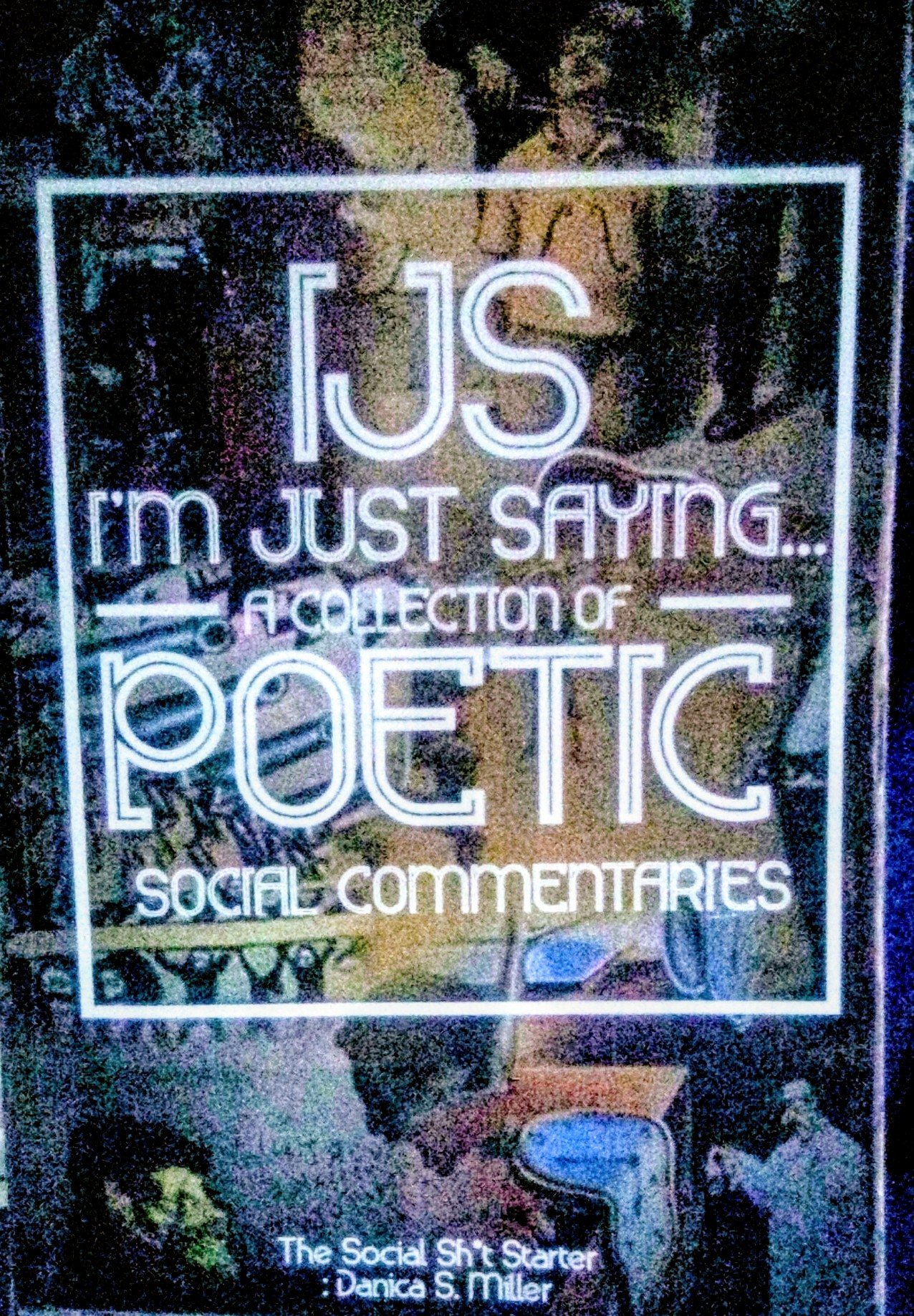
IJS: A COLLECTION OF POETIC SOCIAL COMMENTARIES” is a collection of poems and personal reflections by Danica Shenene Miller. It is an intimate journey through the mind of the author, who refers to herself as "The Social Shit Starter." The author defines this term as someone who sparks conversation about social issues, aiming to create a safe space for communication and collaboration toward finding solutions and (positive) resolutions to many of the "social ills" affecting today's (general) society. The book comprises various poems that the author has written to remind herself that being a woman and a "minority" (both of which, by society's opinion, indicate or signify that she is "less than") does not make her subservient; she deserves respect, appreciation, and honesty, just like all men and women do.
The book is divided into five chapters, each exploring different themes related to social and personal struggles (which she has encountered and overcome). Chapter 1, "The Vocal Vagina," focuses on the author's experiences as a woman and the challenges she has faced due to gender discrimination, sexism, misogyny, and unrealistic responsibilities and expectations. Chapter 2, "Poli-Ticks," explores political issues, including the "Big Lie," the concept of American exceptionalism, capitalism(based on a minority/underclass debt/modern financial slave structure) and the problems with technology(as it relates to society's increasing need and dependency on it, rather than using natures's "Original Computer": The Human Brain. Chapter 3, "Tsunami(s) of The Soul," delves into personal struggles and "intimate" periods/moments of self-reflection and (genuine) "soul" searching regarding topics such as loneliness and the inevitability of time. Chapter 4, "Socially Stunted," discusses social issues and societal norms that can limit and prohibit sincere connections and communication (with and between people), personal self-expression, personal growth and development, freedom of personal thought, and individuality. Finally, Chapter 5, "Miller Time," is a tribute to the author's family, particularly her father, and contains messages to her son.
The book introduces the concept of how the author hopes to create a safe space for conversation and collaboration about social issues. The book began as a daily journal writing assignment given to the author by her therapist but evolved into a collection of poetry and personal reflections. Miller hopes her book will inspire readers to think deeply about the issues she presents and to continue the conversation about how to create a better society.
Newark Connections
I am the daughter of a Newark native, Glenn C. Miller, who had extensive ties in and throughout the community of Newark. I am a former member of a long-standing religious establishment in Newark, known as Bethany Baptist Church. I received my early childhood education from Mt. Vernon Elementary School, and graduated from a prominent Newark, high school, known as University High School. I participated in various activities initiated through community organizations such as Unified Vailsburg Services Organization, NJIT, Rutgers, QuestEssex CYO, and Essex County Community College. I hope to be able to follow in the steps of my father, by being a supporter and champion for all things NEWARK!!!!!
Updates
Jun 22
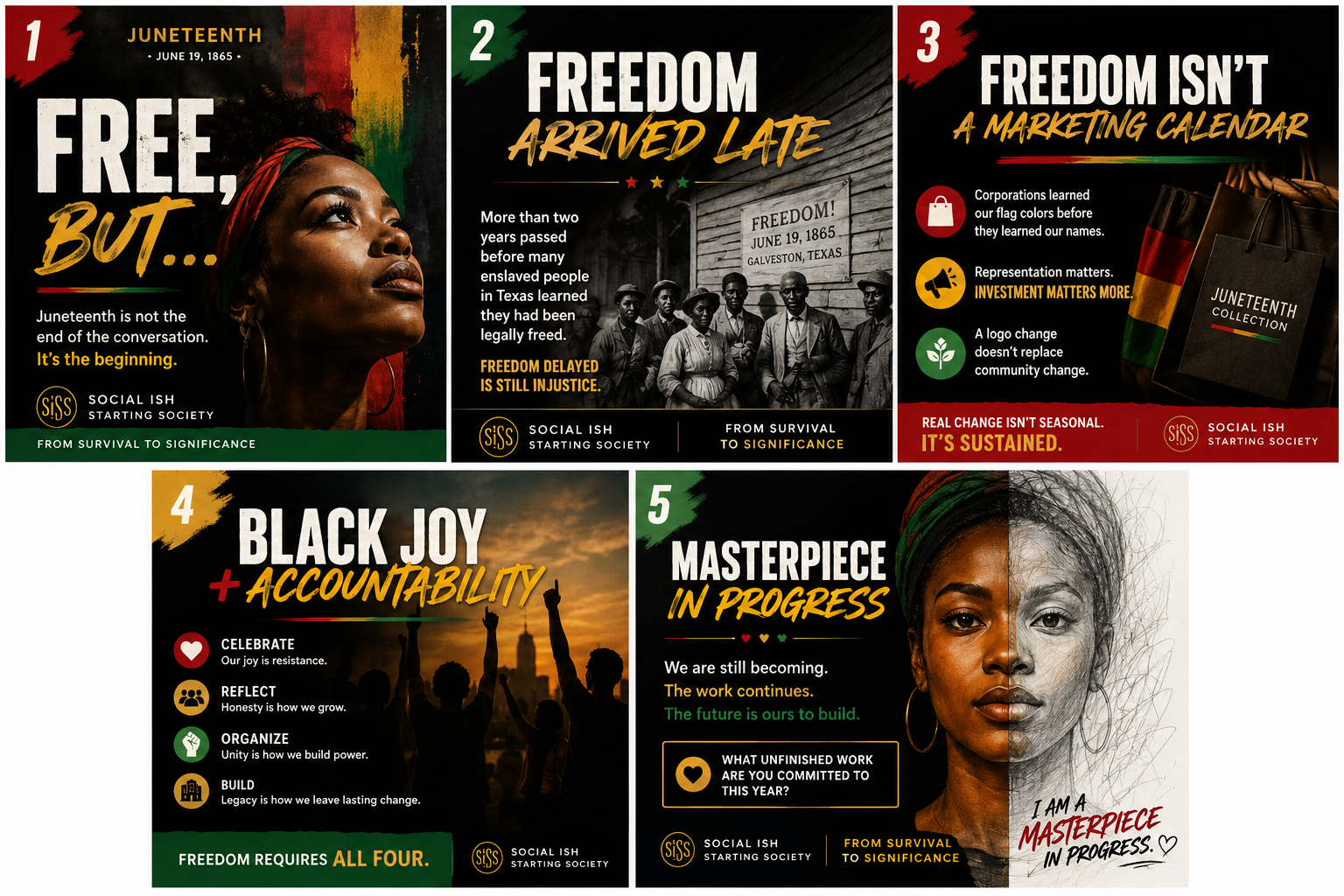
Juneteenth is more than a date—it’s a call to remember, reflect, and rebuild. ✊🏾❤️💛💚 As we celebrate Black freedom, we also honor the truth that justice delayed is justice denied. Let this be a reminder that freedom isn't a moment, a trend, or a marketing campaign—it's ongoing work, collective r...Read more
Jun 22
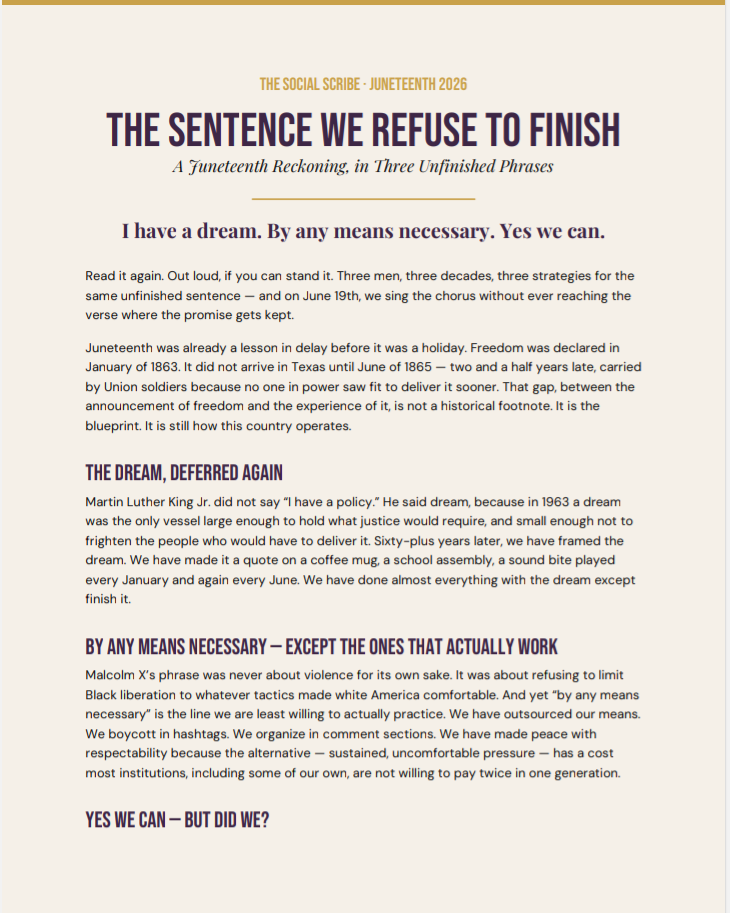
--- Before the cookout. Before the red drink. Before the flag. Sit with this for a second. Juneteenth was already a lesson in delay before it became a holiday — freedom declared in January of 1863, not delivered until June of 1865. Nearly two and a half years late. And we've been calling that lib...Read more
Jun 4
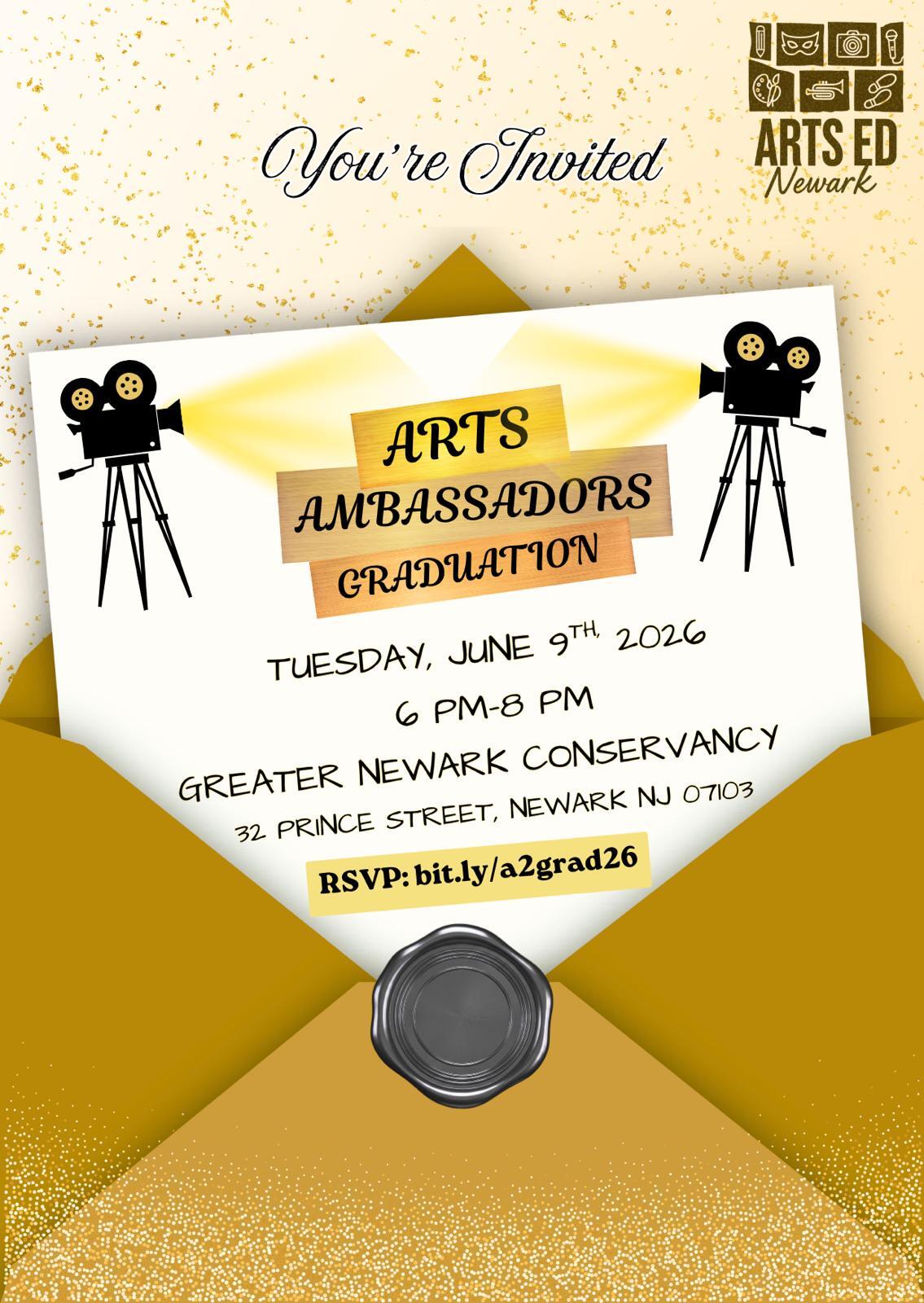
From Inspiration to Impact: My Arts Ambassador Journey🎓🎉🎊 🎉✨ Exciting News! ✨🎉 I’m thrilled to announce that I will be graduating as an Arts Ambassador on June 9th, 2026! 🎓🌟 This journey has been incredible, filled with creativity, growth, and unforgettable experiences and people. I’m so ...Read more

May 27
👑 Dad’s & Grads Sovereignty Sale 👑 Celebrate the fathers, graduates, kings, and queens stepping boldly into their next chapter. ✨ Enjoy 15% OFF the Sovereignty Series Collection — available in both Divine Masculine & Divine Feminine Editions. Regularly priced at $50, each experience includes: 🖋️ ...Read more
May 27
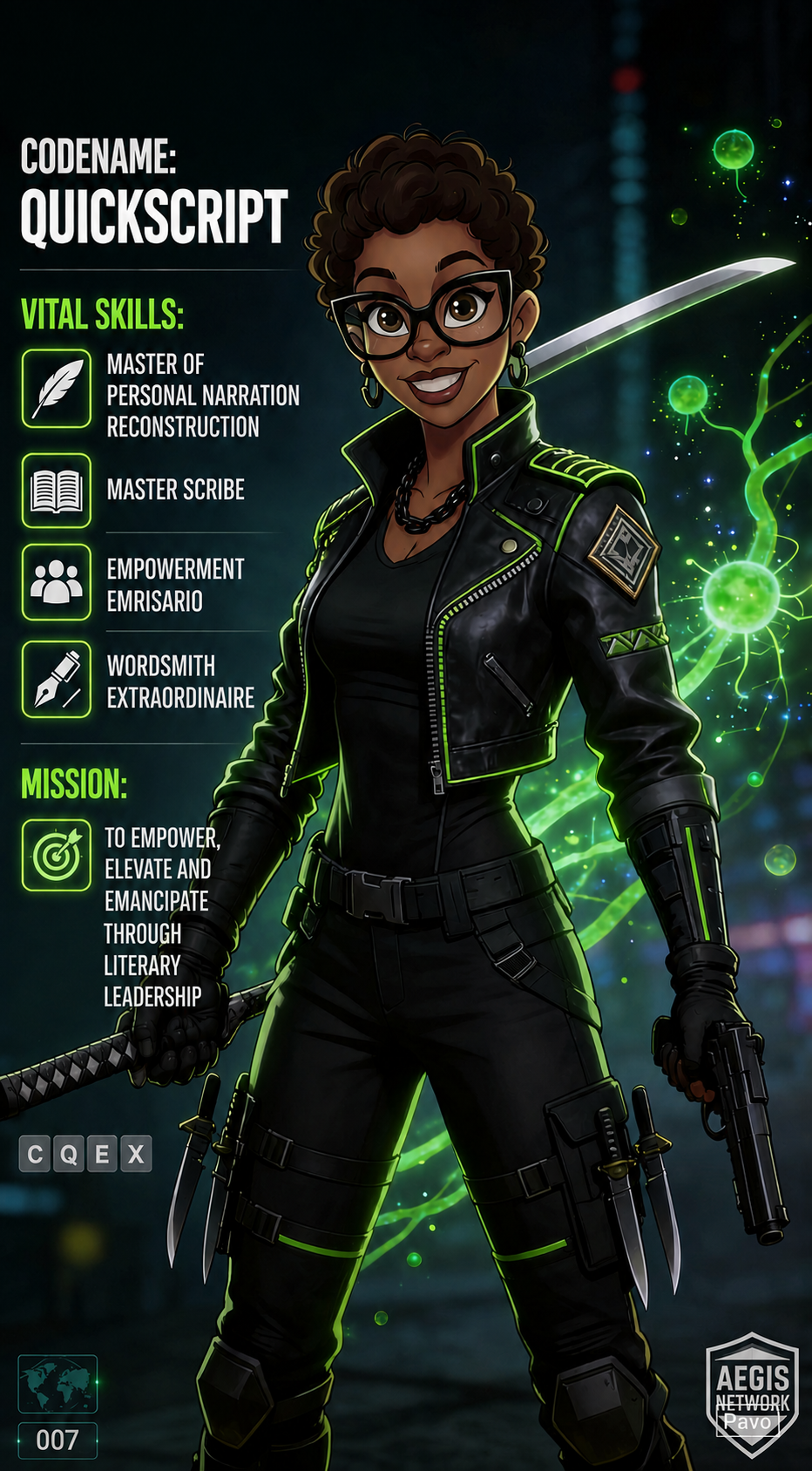
MISSION FILE: QUICKSCRIPT CLEARANCE LEVEL: SOVEREIGN AGENCY: The Social Ish Starting Society Intelligence Division UNIT: The Social Scribe Empowerment Literary Arts Bureau “Not all operatives carry weapons. Some carry words powerful enough to dismantle generational silence.” MISSION OBJECTIVE: Age...Read more
The Vocal Vagina Speaks

The holidays remind us of the magic of hope. I hope that everyone had or found a safe space to be authentic, share their voice, and have it valued, respected, and appreciated.
The Ink of Revolution: How Literary Leadership Fuels Social Justice
We often imagine leadership as a loud act: a speech at a podium, a gavel in a courtroom, or a march in the street. But there is a quieter, more insidious—and often more permanent—form of leadership that happens in the silence of a reader’s mind.
This is Literary Leadership.
It is the understanding that society is built on stories, and that to change society (Social Justice), you must first change the stories we tell about ourselves and each other. Literary leadership is not just for bestselling authors; it is a framework for anyone—educators, activists, CEOs, and parents—who understands that language is the architecture of power.
Here is how the written word acts as a vanguard for social change.
1. Disrupting the "Single Story."
Nigerian author Chimamanda Ngozi Adichie famously warned against the "danger of a single story." Injustice thrives on stereotypes—flat, one-dimensional narratives about groups of people (e.g., "the dangerous immigrant," "the angry activist," "the helpless victim").
Literary leadership uses storytelling to shatter these flat caricatures and replace them with complex, three-dimensional humanity.
The Mechanism: When a leader champions literature that centers marginalized voices, they aren't just "checking a diversity box." They are providing the psychological data needed to humanize a demographic that society has dehumanized.
The Justice Impact: Policy follows culture. It is much harder to pass oppressive laws against a group of people when the culture views them as complex, relatable human beings rather than statistics.
2. The Empathy Engine
Social justice requires us to care about the suffering of people we will never meet. The human brain is not naturally wired for this; it is wired for tribalism.
Literature is the only technology we have that allows us to essentially hallucinate another person's consciousness.
The Mechanism: Deep reading triggers the same regions of the brain as actual experience. A "Literary Leader" uses this to bridge the gap between privilege and oppression.
The Justice Impact: When you curate a reading list for your team, your classroom, or your book club that includes narratives of struggle and triumph from outside your bubble, you are actively expanding the "circle of empathy." You are training the moral imagination to recognize injustice it would otherwise ignore.
3. Archiving as Resistance
History is written by the victors—unless literary leaders intervene.
One of the primary tools of oppression is erasure—the systematic deleting of a people’s contributions, history, and existence. Literary leadership acts as the archivist of the unseen. It says, "I will write this down so it cannot be denied."
The Mechanism: This includes memoirs of civil rights struggles, investigative journalism exposing corruption, or poetry that captures the emotional reality of a movement.
The Justice Impact: Justice requires truth. By documenting the reality of the present, writers prevent the gaslighting of the future. They ensure that when future generations ask, "What happened?", there is a record waiting to answer them.
4. Speculative Fiction as a Blueprint for the Future
You cannot build a just world if you cannot imagine it first.
This is where genres like Science Fiction, Fantasy, and Afrofuturism become critical tools for justice. Writers like Octavia Butler and Ursula K. Le Guin didn't just write stories; they performed thought experiments on sociology.
The Mechanism: Speculative fiction allows us to ask, "What would the world look like without prisons? What would gender look like without patriarchy?" without the constraints of current reality.
The Justice Impact: These stories serve as blueprints. They give activists and policymakers a vision to strive toward. A Literary Leader uses fiction to stretch the collective imagination of what is possible, making radical change feel achievable.
How to Practice Literary Leadership Today
You do not need to publish a novel to practice this. You simply need to treat language as a tool for equity.
Audit Your Bookshelf (and your Syllabus): Who is narrating your understanding of the world? If 90% of your input comes from one demographic, your leadership is culturally blind.
Cite the Originators: In the age of the internet, ideas are often stolen from marginalized creators. Practice "citation justice"—always credit the black, brown, and indigenous thinkers who originated the concepts you use.
Amplify, Don't Speak Over: Use your platform to recommend, review, and share the writings of those closest to the injustice. Pass the mic.
The Bottom Line
Legislation can force people to behave differently, but only stories can make them think differently. The fight for social justice is, at its core, a fight over the narrative of who matters.
By taking up the mantle of Literary Leadership, you are asserting that the pen is not just mightier than the sword—it is the instrument that determines which way the sword points.